
I’m writing and publishing this sitting in the airport in Madrid on my way to Mallorca. Realized I haven’t been to this airport in 8 years (this month in 2014!) when I spent a summer in Segovia, Spain. Planning on taking a break the next few weeks from NextRound while I travel, but may surprise everyone depending on the strength of my backlog of articles… We’ll see→
Could only put it off for so long, NextRound will finally be delving into the world of the metaverse.
The concept is truly cool. Anyone that has seen movies like Ready Player One, Free Guy, and more knows.
The Metaverse is an idea in which the internet and the power of technology will evolve to such an extent that we will be able to participate in an immersive virtual world powered by the premise of virtual reality. We will be able to hang out and do things with friends, dress and customize our “avatars”, spend money and partake in a metaverse economy, and much much more. The options are very literally, limitless, and suggest a virtual duplicate of the very real world we live in already, but with even more options. The limit is only our creativity!
Companies have been investing and building iterations of the metaverse for quite some time now. Meta (f.k.a. Facebook), Epic Games (my Next Round article linked here), Decentraland, Roblox, Unity, Snapchat, and more are all players. And the list will certainly not shorten anytime soon.
A newcomer to the list, BUD, is the startup we will be talking about today.

On May 23, 2022, BUD, a metaverse app for Gen Z raised $37MM in Series B funding led by Sequoia Capital India, not long after it secured a Series A extension in February. The new infusion brings BUD’s total financing to over $60 million.
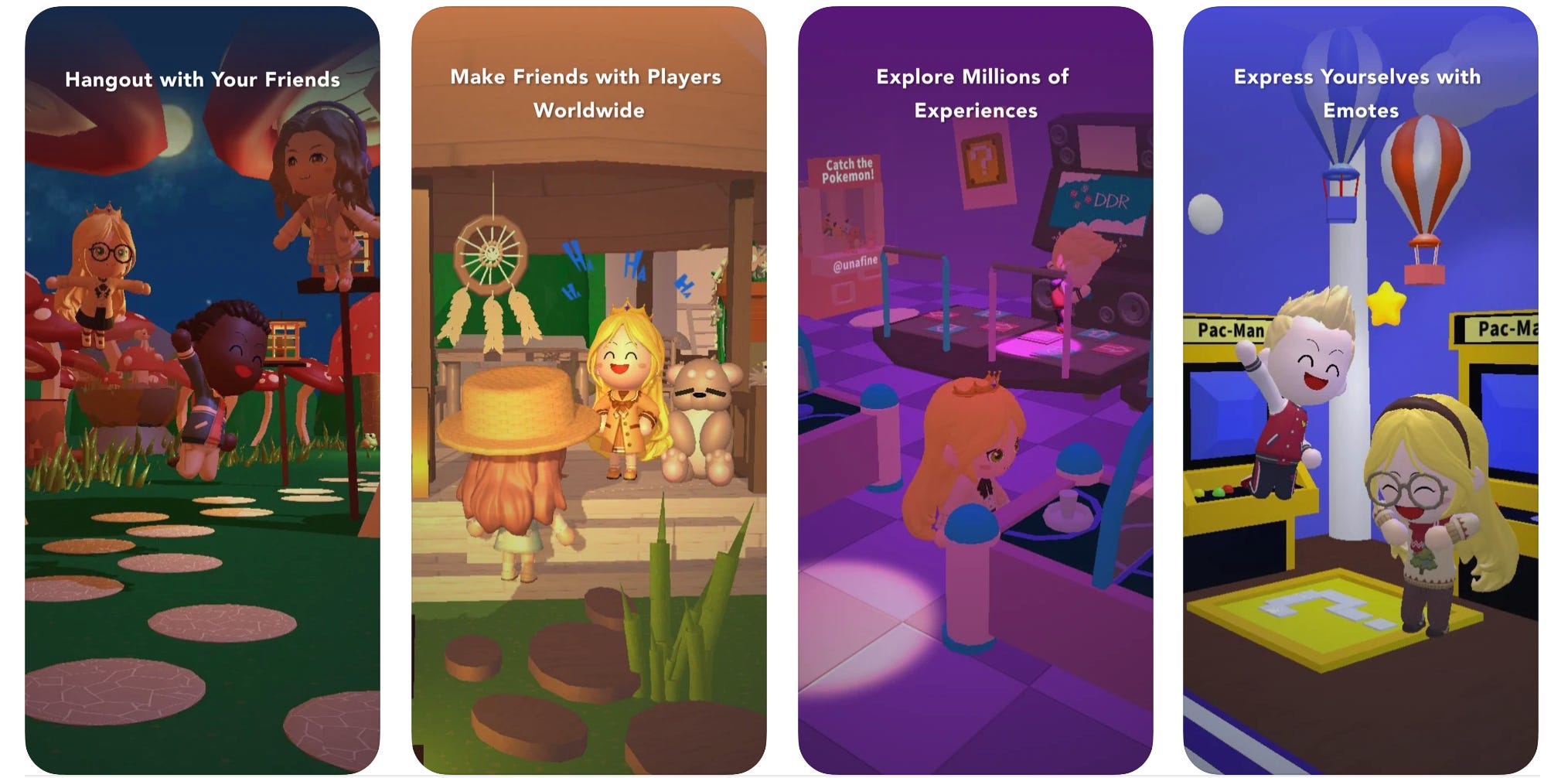
Bud has the following description on its website:
You can explore millions of user-created experiences ranging from hangout places to battle royale games. Anyone can be a creator. The mobile-native easy-to-use Creation Tool requires no prior coding knowledge. Pick your own unique avatar from thousands of combinations. You even get the chance to design your own outfits from scratch. NFT marketplace and MAP are also coming soon!

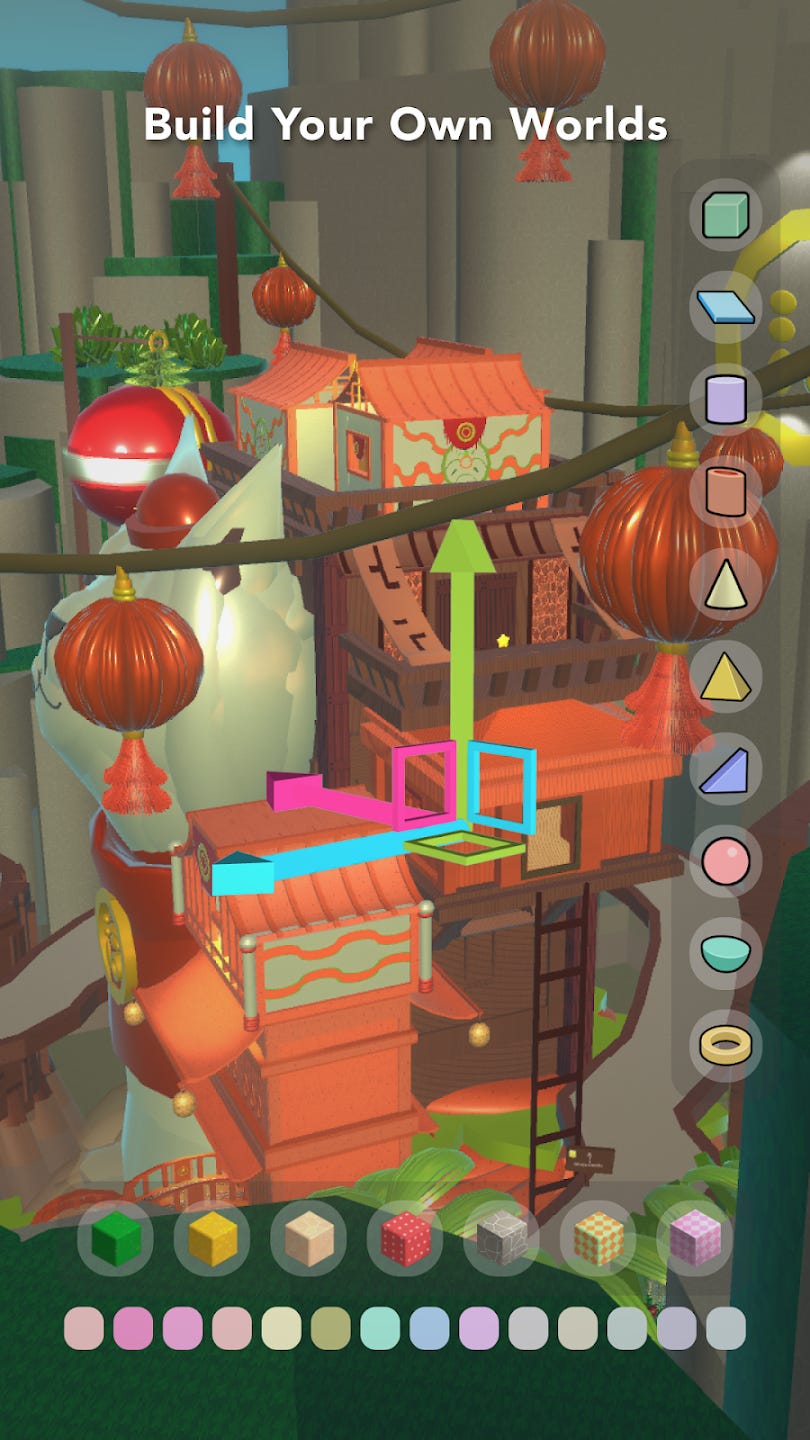
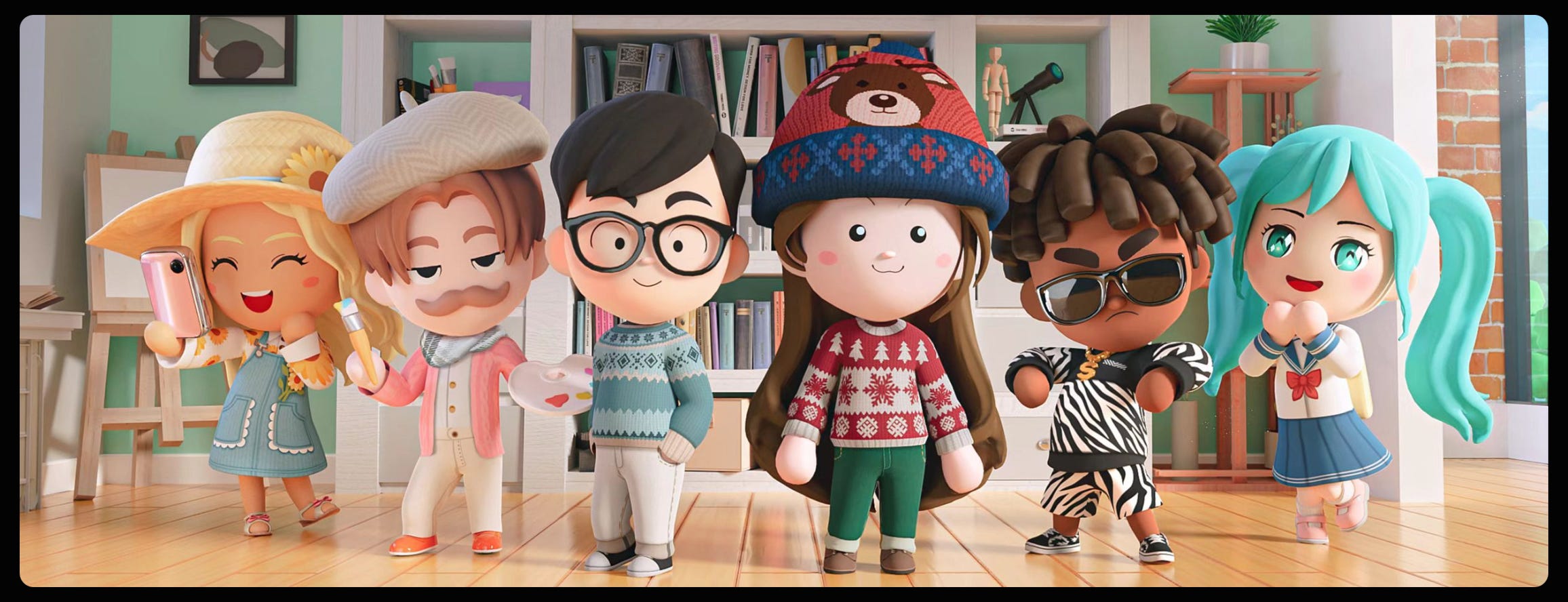
Bud allows people to create interesting avatars, build virtual assets and worlds, experiences and games to play alone and share with others - all without any coding background via a drag-and-drop user interface.
And that’s really their biggest self-proclaimed feature right now - that anyone (not just skilled gamers or proficient developers) can build, create, and share without technical experience or financial investment (since the platform is entirely free to use).
One of the most important premises for metaverses to take hold in our society is for there to be in-game economies that are useful. BUD has disclosed that virtual assets, the costumes, and accessories that individuals design have been exchanged more than 150 million times via the marketplace. This is a clear indication of a strong userbase that utilizes the marketplace and in-game economy. Today BUD does not charge a transaction fee / take a cut of any purchases, but this may change down the line.
According to TechCrunch,
The app has been among the top 10 social apps in nearly 40 countries across North America, Southeast Asia and South America. It’s currently the top free social Android app in Thailand and Vietnam, according to market intelligence company SensorTower.
BUD has yet to monetize their rendition of the metaverse, and they haven’t revealed a plan for when or how they will do so either. But the founders and investors alike are unconcerned, the monetization strategies are nearly endless. The BUD economy can have a commission for NFTs, accessories, and clothing exchanging hands. Advertising for brands, corporations, and more is another.
BUD’s founders see themselves as distinctly different from competitors like Roblox. Co-Founder Risa Feng says,
For Roblox, you have two groups of people, you have the developers who are developing the games, and you have the majority of the consumers who are consuming the games. Yeah, but on our platform, our creators are consumers. So we don’t see these two separate groups, because the fun of playing BUD is you can easily generate or create your own thing. There’s definitely different levels of creators, you know, there are top creators can create amazing experiences, like infinite worlds, and you can join their like casual creators who create like, you know, three 3D prompts, or just those tiny experiences for their friends. But the philosophy is everyone actually has the chance to create whatever experience they want to create.
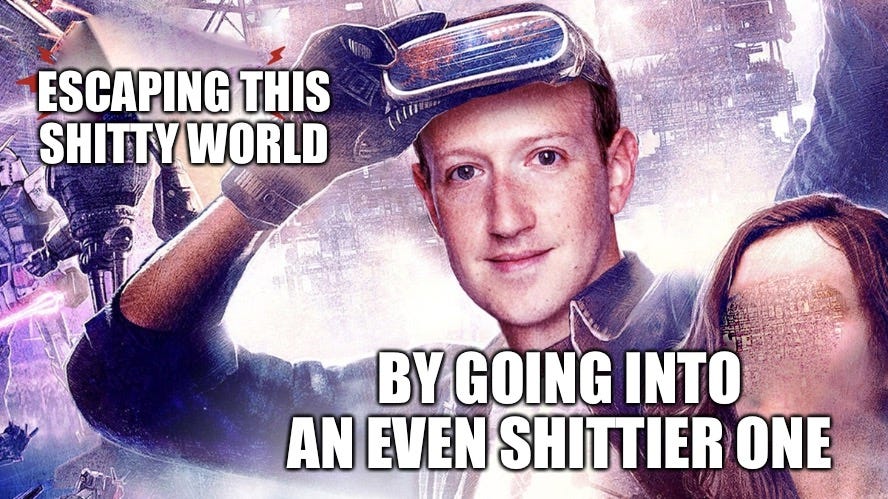
It’s a really gripping concept and one that has had both positives and negatives that have been documented extensively the last 5-10 years. Sure, these virtual worlds serve as social oases and another way to connect with friends and family; but, they can cause an unappreciation for and disassociation from the real world, mental health issues associated with bullying and personal image / self esteem, and more. Additionally, the organizations that control and build the infrastructure for these worlds can be bad actors and take advantage of their users.

In terms of risks associated with this business, there are likely to be many metaverses, not just one or two winners. Each one that is successful will need to be easy for its users to build (and continue to do so), continually innovate and add new features to keep players coming back, and have low enough fees to incentivize individuals to stay. BUD will have to continue to build and maintain its userbase and manage marketing costs to get users to use its metaverse over competitors. I’m looking forward to seeing how more of these metaverses become usable and accessible.
Went out to the Hamptons for the 4th with a few friends. Was my dad and sister’s birthday this week so I cooked my dad a special fusilli aum aum (tomato sauce with eggplant and mozzarella) to celebrate. Sunsets quite different out east.
GW