
When I was a kid, one of my favorite TV shows was American Idol. Once a week when I finished my daily routine of going to school, playing sports once those final period bells rang, eating dinner, and doing my homework, I got to crawl into bed with my parents and my sister. We would toss on American Idol and watch it together as a family for an hour before bedtime.

During that sacred period of time, we watched people from around the world with extraordinary voices and even more inspiring stories try their hand at winning one of the golden tickets from a slew of some of the world’s best musical judges (at the time it was Simon Cowell, Randy Jackson, and Paula Abdul). These golden tickets were tickets to Hollywood, the next step in the hunger games competition to claim glory and be The “American Idol”.
My favorite contestant during Season 5 was Mandisa. She was a 29-year-old black woman from Citrus Heights, California with an absolutely incredible voice. Throughout the entire season, she was a clear fan favorite, and judges and professionals in the music industry alike lauded her as far and above the best contestant on the show. At the same time, after each of her performances, once Mandisa walked off the stage, Simon Cowell would make jokes in regards to her weight. It was heartbreaking to see him make such immature and meaningless jokes like this at such a wonderful person, especially with millions watching on live television. Between her backstory, her talent, and her struggle with Simon Cowell, I and many others really thought she was going to persist and pull off a big win.
In the first few rounds, the judges are the judge, jury, and executioner. But as contestants progress to later rounds, the judges have no say. Contestants’ fates are instead left up to the American public. If you wanted to vote for a contestant, you had to send a text message to a toll-free number. The votes were then counted and the bottom few contestants were eliminated each week. This was before I had a phone but my family and I were so certain Mandisa was going to make it to the next round, we never submitted our votes in her favor.
I still remember it like yesterday (even though I had to look up the date as I write this). My family and I could not believe our eyes when on April 5, 2006, Mandisa was eliminated from the show and finished in ninth place.
I was so disappointed and it was one of the first times in my life I realized a few important lessons:
Life isn’t fair even to those who are deserving of great things
You can never be sure of what seems to be a certain outcome
Getting an “in” into the music/entertainment industry is extremely difficult, and even then it is even more difficult to succeed
This blog is unfortunately not catered to helping people come to terms with #1 and 2 but we will take a look at #3.
How many of us have the background, connections, or capital to get us in front of the people to help us reach our dreams?
Even with earth-shattering talent and skill, without the right opportunity and audience, you may never make it.
In an article, Rashi Shrivastava puts it well,
For every household name known the world over — Lizzo, Kanye, Seinfeld, The Rock – there are millions of artists the world will never hear about.
One company, Protégé, is building infrastructure to connect aspiring individuals in the music, entertainment, and business industries with mentors who can lend a helping hand.

On March 23, 2022, Protégé exited stealth and announced that Sequoia Capital led an $8.5M seed round with TQ Ventures (the firm founded by Scooter Braun, Schuster Tanger, and Andrew Marks) and with participation from Roc Nation Arrive, DJ Khaled, Will Smith’s Dreamers, Lionel Richie, Ben Simmons, Jason Alexander, Diplo, Paris Hilton, Gryffin, Tate McRae, Steven Galanis (CEO of Cameo), Tony Xu (CEO of DoorDash), and many other incredible supporters.
Per their website:
Protégé's mission is to democratize access to opportunity by allowing anyone to submit their talent to the best experts in the world for feedback and the chance to become their protégé.
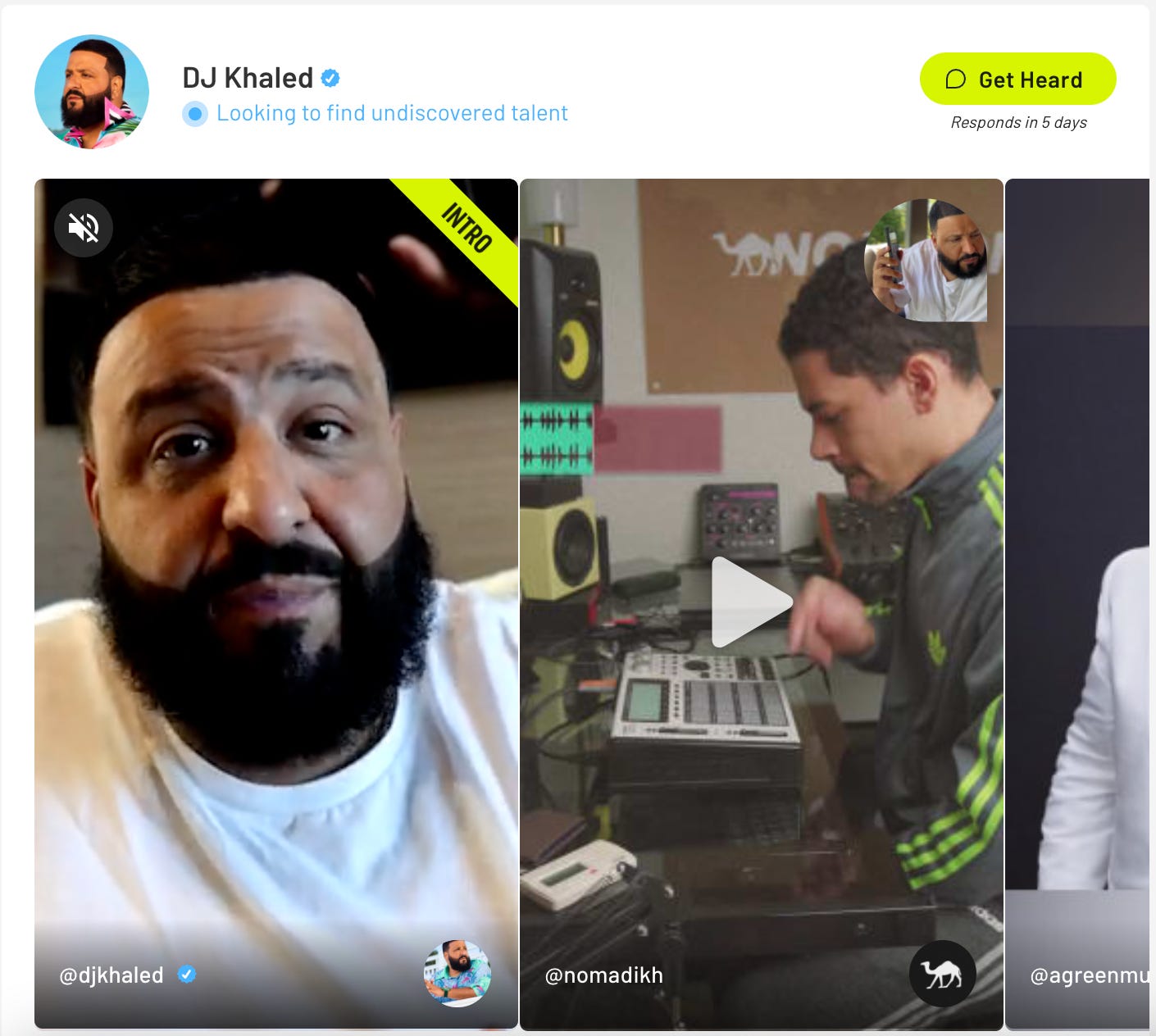
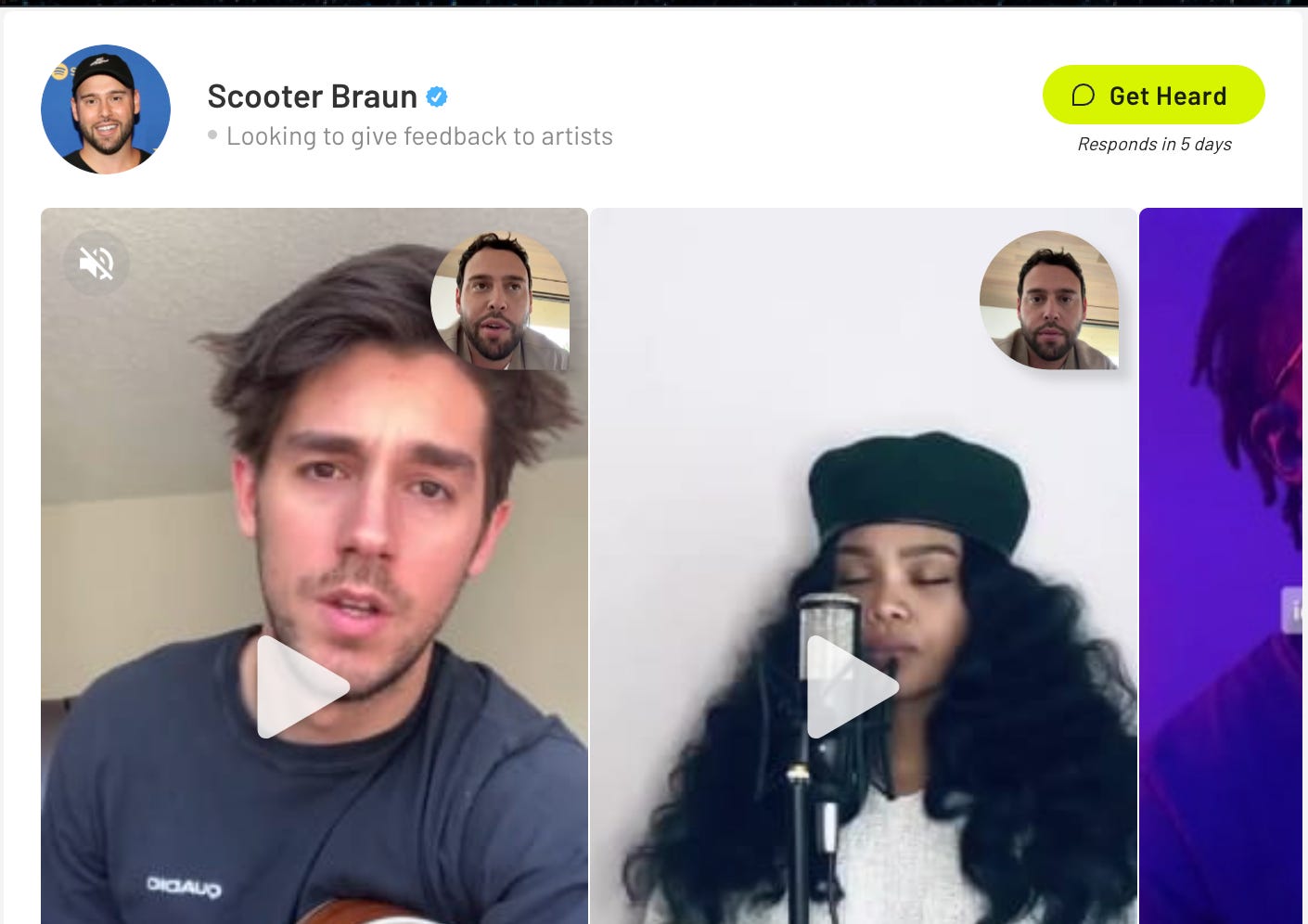
Using Protégé, anyone can submit a 60-second video to top experts in the world and potentially get a video response and a shot at a life-changing opportunity. Experts include talent such as DJ Khaled, Bebe Rexha, Jason Alexander, Scooter Braun, Mustard, Cool and Dre, and more. In order to get your video in front of these superstars, you have to pay an application fee of anywhere from $10 to $200 depending on the expert. Protégé takes a 25% commission for the connection while the rest goes to the expert. If you can't afford the fee, you can apply for a scholarship by getting upvoted by your friends and family. Protégé currently has 30,000 users.
Protégé defines itself as a blend of American Idol, Project Runway, and Shark Tank. But where each of those only select “broad category winners”, Protégé has the potential to connect and mint relationships between students and experts in niche areas.
If an expert is impressed and decides to move forward with you, Protégé will notify you via email that you've been selected as a protégé by the expert you applied to. This will then open up a communication forum with other proteges.
What is powerful is that Protégé is yet another example of the fan-based economy. Cameo can get you customized videos from celebrities, MasterClass can get you learning opportunities, Patreon can allow you to contribute to creators, and Protégé can get you in front of them!
Protégé is a genuinely inspiring and optimistic concept that elicits the best of human potential and connection.
That being said, I hope they iron out some of the risks that seem to still need some thinking.
From a user experience perspective, experts do not have to respond to all users’ applications and they may not do so in a reasonable amount of time. Additionally, the feedback they provide may not even be helpful. What then?
Protégé prioritizes the privacy of its users and experts, but with no ability to message or follow up with experts, will there not be a substantial barrier to meaningful communication / collaboration in the event there is a fit or more feedback is desired?
From the expert’s point of view, Protégé has the potential to require a pretty high time commitment, even if the expert has to view every video submission (and that is before providing feedback). Additionally, how does Protege pay both in terms of dollars (as well as in brand / reputation) in comparison to Cameo or similar freelance projects?
From an investment perspective, Protégé lacks a recurring revenue model and consistent cash flows. Once a user submits a video, there are no follow-up payments required. As with most things in this world, being truly talented means being in the 100th percentile. If a user is rejected (likely the vast majority of all applicants), they may be disincentivized from paying to use the service ever again as they would not expect to achieve a different outcome with the same expert. This pretty instantaneously cuts down your user base by 99% each time an expert selects a protege. Not only does this result in decreasing market size or audience to target over time, but also Protégé’s customer acquisition cost will skyrocket as it struggles to find new customers to apply to the program. On top of that, once a user is selected as a Protégé, how does Protégé monetize an individual’s continued use of the platform? The company is still young, but the issue of access to the black box world of the entertainment industry is a tough one to solve and I hope one we can improve.
An interesting direction Protégé could explore_
is to build themselves into a talent “agent” or marketplace for the next generation of celebrities and entertainers. Especially with web3 tailwinds, we are in the age of influencers, and more people than ever can go viral overnight. It would be interesting if Protege could help sign individuals to deals as their agent and support them in their early professional careers. For example, imagine if I was an exceptional singer (I am, you should’ve been at my bar mitzvah or hear me sing Are You Gonna Be My Girl) who wanted to get in front of Alicia Keys. Protégé could act as my agent in promoting me to the expert of choice (or even suggest experts) and offer me / negotiate a revenue share if Alicia Keys were to use my work or sign me to her label.
It’s a pretty interesting concept and one I think could provide more long-term runway for the company and the business model. Companies like Creative Juice focus on a different angle of this, bankrolling creators in exchange for a proportion of their revenues.
One of my very close friends is a hilarious British lad who is an aspiring film writer. He has been working his butt off to get his writing into competitions to be seen, read, and featured but it is no easy feat. For people like him and others around the globe. Protégé is a super interesting concept and I hope one that can increase accessibility to the entertainment world.
You ever have one of those days where you just can’t get yourself to exercise?
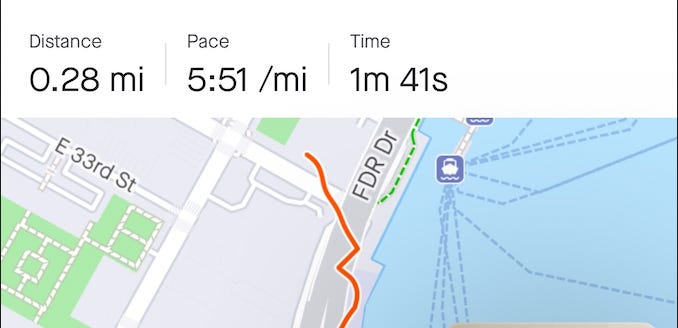
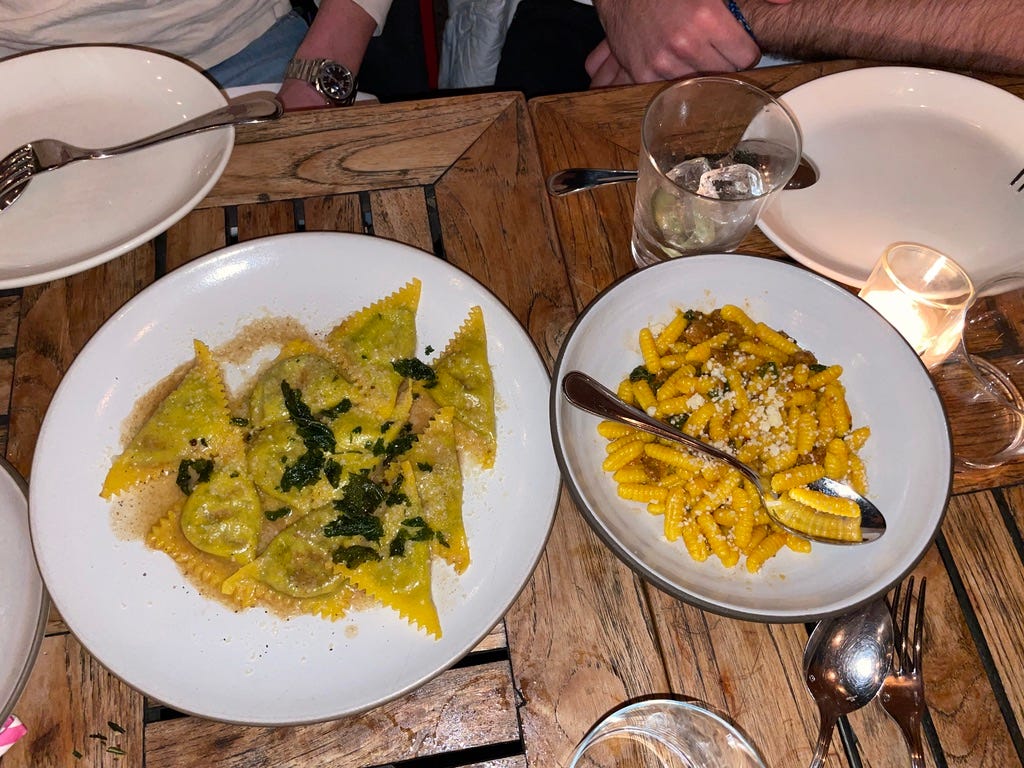
I tried going for a run Saturday morning and literally could not get myself to do it. Made it a good one minute and 40 seconds before realizing Friday night was not done with me just yet. Managed to get myself a good meal at Charlie Bird Saturday night however and mended the wounds.
GW
1. Mandisa deserved better
2. to your point about no follow-up payments, I wonder if the platform lets you resubmit to the same artists after they've already viewed and how that metric tracks. could be interesting for them to explore pricing incentives for re-submits. its like remember the people on American Idol who would audition year after year and sometimes make it through on the third try <3 could be a protege